🛡️ Long-Term Prevention & Pro Assessment
Proven step-by-step action plans against household, kitchen, and garden pests – using non-toxic home remedies and biological barriers.

Cellar Vault – Pantry Moth Protection Above
Pantry moths typically enter homes through infested supplies and spread through cracks, shelves, and textiles. By controlling, sealing, and storing properly, you can stop new infestations permanently.

Carpet Shield – Clothes Moths in the Living Room
Clothes moths often arise from undisturbed natural fibers, dust nests, and imported textiles near carpets, upholstery, and curtains. With traps, cleaning, and safe storage, the infestation in the living room can be mitigated long-term.

Ridge Control – Wasp Protection in the Attic
Wasps like to use crevices, old wood, and sheltered cavities in the attic, garage, and engine compartment. With secure sealing, early inspection, and clear professional assessment, new infestations can be greatly reduced.

Safe Sleeping Zone – Bed Bugs in the Bedroom
Bed bugs often enter the home via luggage, secondhand textiles, or visitors and hide near the bed. With heat treatment, sealing, and clear monitoring, the risk can be significantly reduced.
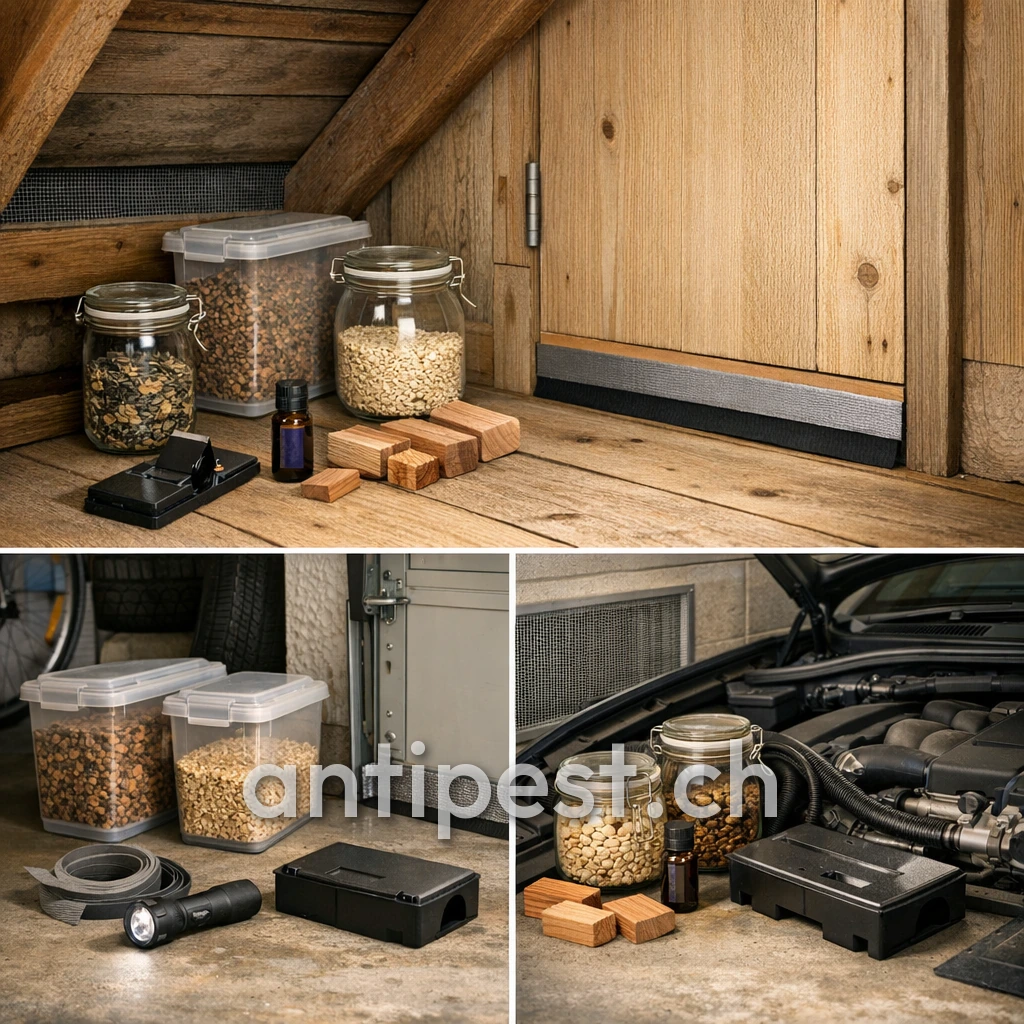
Garage Guardian – Mice & Rats in the Attic
Nocturnal scratching and scurrying noises indicate rodent access through crevices, beams, and garage areas. Secure sealing, hygiene, and protected traps sustainably prevent infestations.

Quietude in the Gable – Weasel Protection for the Attic
Nocturnal pattering and scratching sounds often indicate weasels in the roof area, favored by cracks and old beams. With child-safe immediate measures, sealing, and professional inspection, the infestation can be sustainably reduced.

Facade Light Calm – House Spiders at Balcony & Box
House spiders settle where light attracts prey and cracks provide shelter. Sealing, light adjustment, and dry joints sustainably reduce their influx.