Clean Siphon Line – Eliminate Fungus Gnats & Flies in Humid Areas
🛡️ Biological Beneficials & Pheromone Traps
Fungus gnats and small flies in bathrooms and humid areas often breed in wet potting soil, damp joints, and around drains. With biological nematodes, pheromone sticky traps, and proper moisture control, infestations can be stopped in a non-toxic and sustainable manner.
Required Tools & Preparation
4–6 cardsPheromone sticky traps for small flies and fungus gnats
1 packBiological nematodes against fungus gnat larvae
1–2 kgDry quartz sand or fine gravel to cover potting soil
1 setJoint brush, narrow cleaning brush, and old toothbrush
200–300 mlMild liquid soap or unscented cleaning agent
2–3 clothsMicrofiber cloths or disposable cleaning wipes
1 pairHousehold protective gloves
1 cartridgePest-free sanitary silicone for cracks and open joints
1 rollSealing tape or small sealing strips for damp joints
Step-by-Step Action Plan
Immediate Containment & Acute Protection: First, remove any open cosmetic residues, damp cotton pads, hair clumps, and organic debris around the sink, shower, and windowsill. Place pheromone sticky traps in close proximity to plants, damp joints, and the waste bin, but not directly in the water stream or on wet surfaces. From now on, water houseplants in the bathroom very sparingly to allow the top layers of soil to dry out and immediately reduce egg-laying. Consistently empty and dry saucers, as standing moisture keeps the population active.
Source, Pathway & Nest Location: Check whether the insects are rising from the potting soil or flying along silicone cracks, joints, and drain areas. Fungus gnats often sit on the soil surface and at windows, while small humid area flies prefer permanently damp edges, behind toilet bases, or at splash-prone connections. Gently press a cloth into discolored or soft silicone areas to detect hidden moisture nests. Note two to three main sources so that subsequent measures can be targeted rather than superficial.
Targeted Non-Toxic Control & Application: Prepare biological nematodes exactly according to package instructions with room temperature water and treat only the infested, damp potting soil. The nematodes combat the larvae in the substrate and usually interrupt the developmental cycle significantly within a few weeks. Renew or check the pheromone sticky traps every few days to maintain high trapping pressure and make the infestation progress visible. Then cover the soil surface with a thin layer of dry quartz sand or fine gravel to significantly hinder new egg-laying.
Hygienic Deep Cleaning & Disruption of Traces: Thoroughly clean joints, silicone edges, windowsills, plant pots, and damp connection points with mild liquid soap and a brush to remove biofilm, dirt edges, and organic attractants. Afterwards, wipe all surfaces dry, especially behind fixtures, at the floor edge, and around the siphon area. Also clean outer pots, saucers, and the outside of the pots, as fine algae and moisture layers often form there. Repeat this deep cleaning two to three times in the first week to deprive newly hatching insects of their flight and breeding traces.
Structural Sealing & Long-Term Prevention: Renew porous silicone joints and seal fine cracks at permanently damp transitions to prevent hidden breeding and resting areas. Use sealing tape or small sealing strips at problematic connection points where splash water frequently occurs. If possible, relocate moisture-sensitive houseplants from the bathroom or repot them in a more aerated, less permanently wet substrate. Ensure daily short, effective ventilation and allow wet areas to dry quickly after showering to eliminate moisture sources in the long term.
Swiss Professional Signal (When to Call a Specialist?): If the catch on sticky traps does not decrease after 2 to 3 weeks despite nematodes, drying, and joint cleaning, there is often a hidden moisture source or a structural defect. A professional service is also advisable if silicone joints are extensively undermined, wall connections remain permanently wet, or mold traces are visible. For recurring infestations from cavities, installation shafts, or multiple humid areas, the cause should be professionally located and remedied. In rental properties, it is advisable to maintain a clean photographic documentation of trap findings, moisture spots, and cracks for management or ownership.
🛡️ Prevention & Beneficials Matrix
Active Mechanisms & Long-Term Protection
Non-toxic physical barriers and biological beneficials. Click any card to open the scientific dossier.
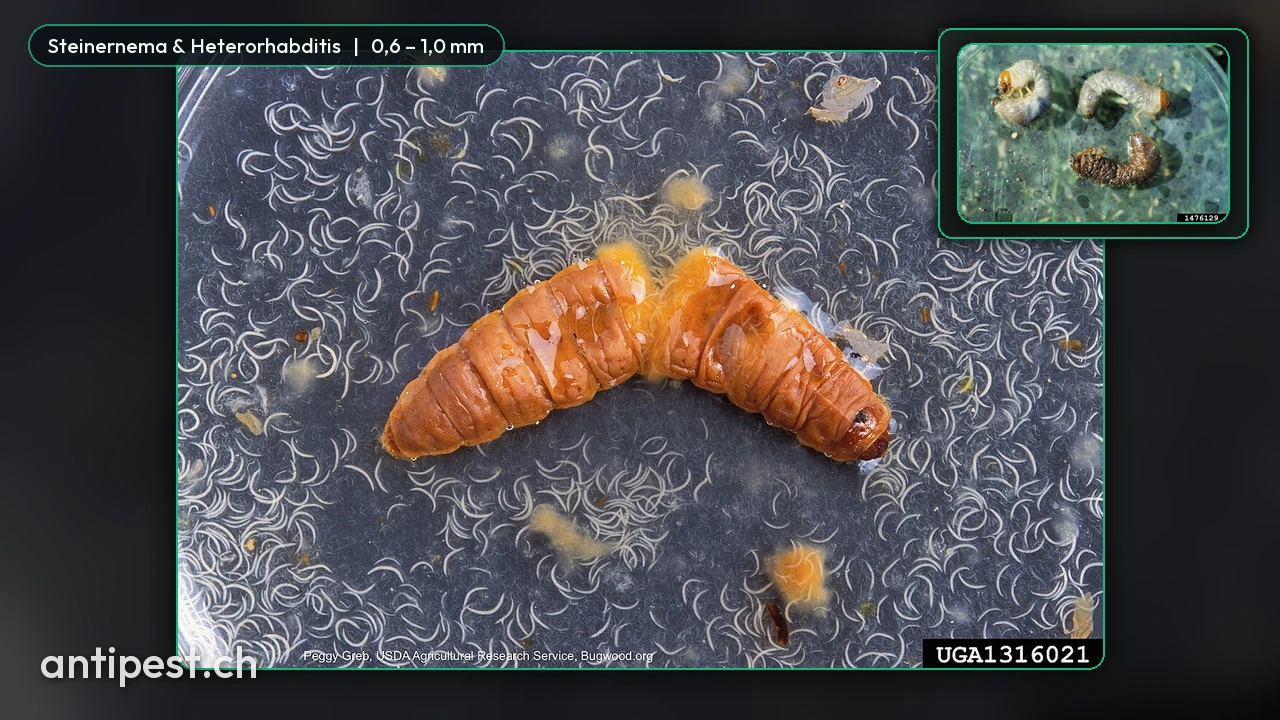
Nematodes (Steinernema feltiae & Heterorhabditis)
Microscopic nematodes in powder form for watering: How SF, HB, and SC nematodes biologically eliminate fungus gnats, larvae of weevils, grubs, and mole crickets in the soil.
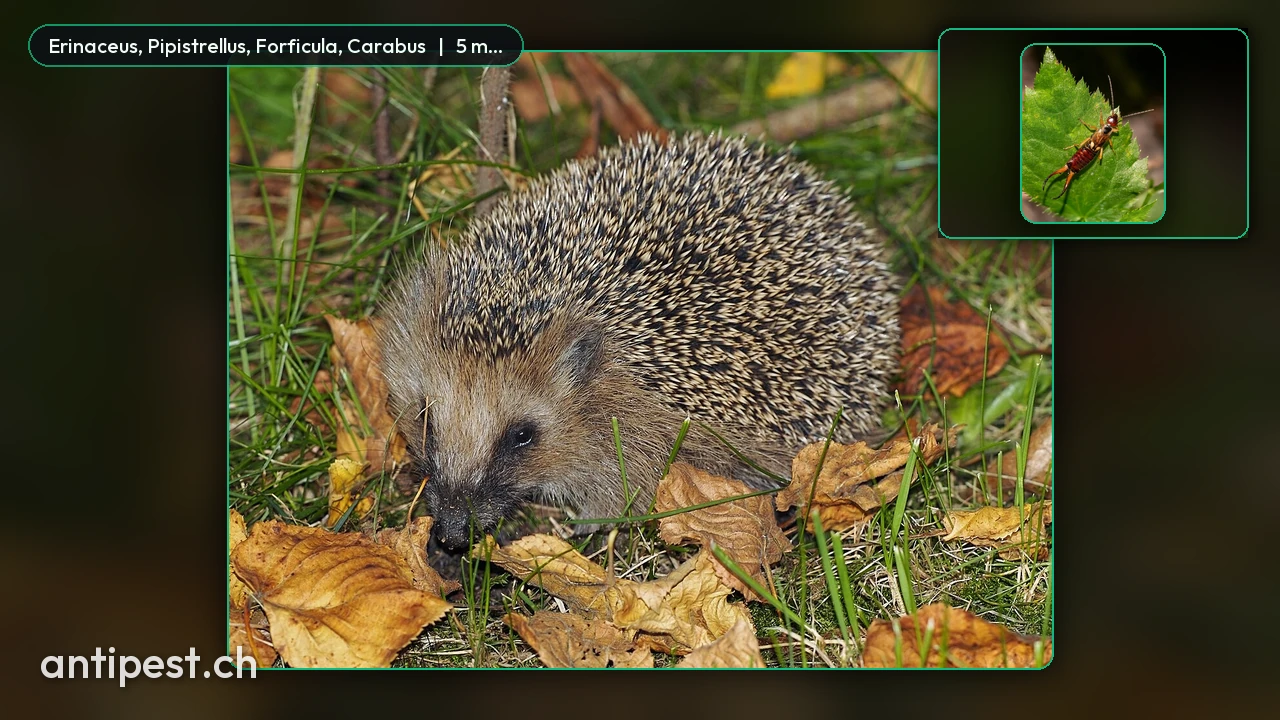
Hedgehogs, Bats, Earwigs & Ground Beetles in the Garden
A single pipistrelle bat catches up to 3,000 mosquitoes per night, and the seemingly annoying earwig eats hundreds of aphids every night in its wool sleeping bag!
Pheromones, Attractants & Why Traps Alone Are Not Enough
Why pheromone sticky traps in the cupboard only catch males – and why hanging them directly at an open window is a fatal mistake! The science of monitoring.
Indoor Climate Control: Humidity (< 55 %) & Dew Point
Silverfish, dust mites, and pillbugs cannot drink liquid water – they absorb moisture from the air! Below 50–55 % humidity, they dry out.
🔬 Pest Biology & Identification
Species Identification, Lifecycle & Root Causes
Understanding species biology is key to solving the root cause. Click any dossier for the full analysis.
Fruit Fly / Vinegar Fly (Drosophila melanogaster)
A single female lays 400 eggs on ripe fruit or in the siphon: in midsummer, the cycle from egg to new fly takes only 8 days. This is how the dish soap trap works.
Fungus Gnats (Sciaridae) in Houseplants
Black mini-flies dancing around the flower pot? Don't confuse them with fruit flies! The glassy larvae feed on fine plant roots and are stopped by SF nematodes and quartz sand.
Mosquito & Asian Tiger Mosquito (Aedes albopictus)
While the domestic house mosquito buzzes at dusk, the black-and-white striped Asian tiger mosquito bites during the day and breeds in tiny flower pot saucers!
Trembling Spider, House Spider & Book Scorpion
Why you should never kill the thin-legged trembling spider in the corner of the room and the 3 mm tiny book scorpion: they are the best free pest control in the house!