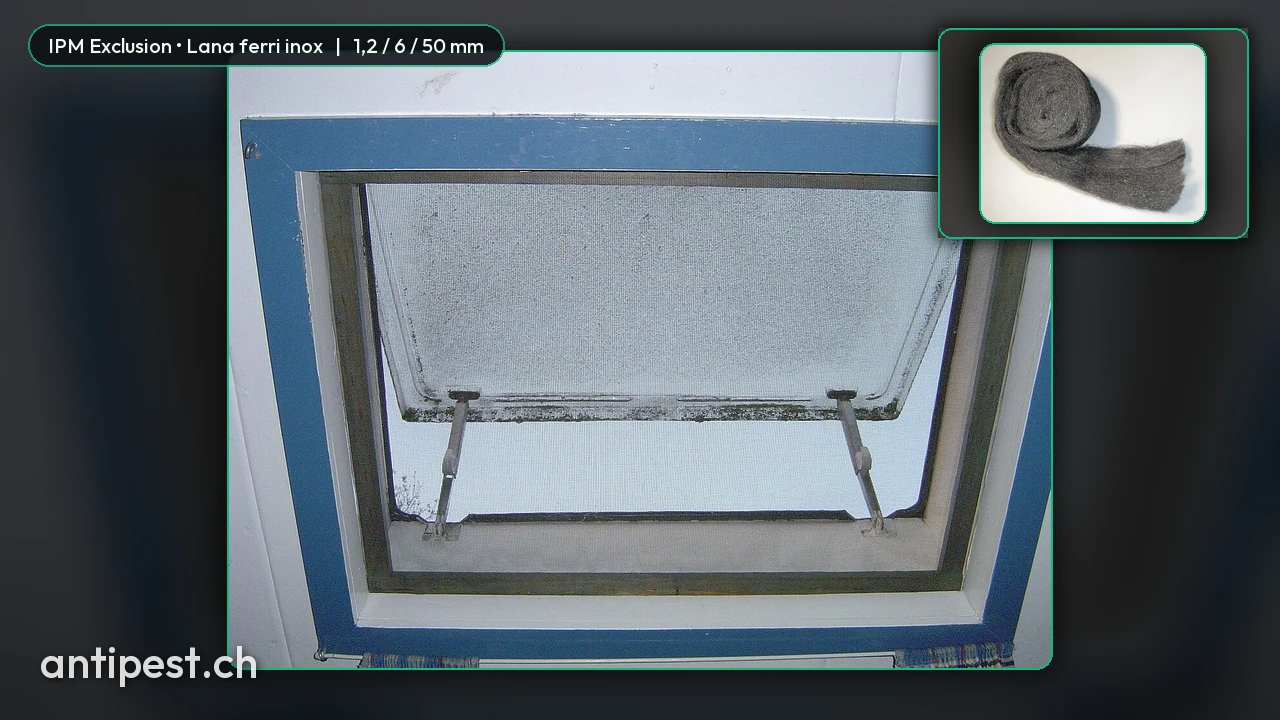
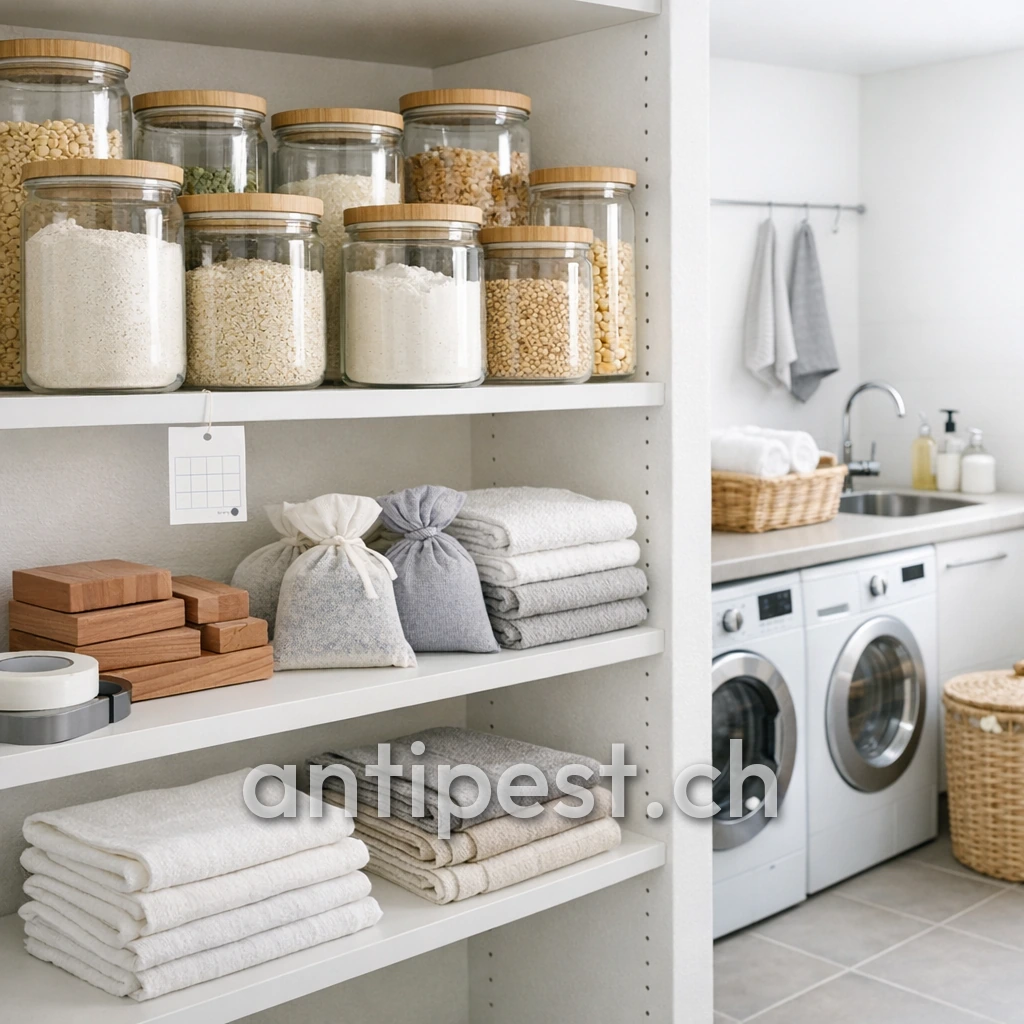
Scratching and scurrying noises at night often indicate the presence of martens on balconies, terraces, or near roller shutter boxes. By using non-toxic barriers, clean trail interruption, and targeted sealing of old wooden beams and cracks, ascension paths can be effectively blocked.
1–2 rollsweather-resistant sealing tape for joints and connection points
1 cartridgeelastic outdoor sealant for cracks in wood and masonry
1 setscrews, washers, and mounting clips for mesh installation
1 pieceputty knife or joint tool for clean sealing
500 mlmild cleaning agent with water in a spray bottle
100–200 mllavender, tea tree, or cedarwood oil for short-term trail masking
Step-by-Step Action Plan
Immediate Containment & Acute Security: Secure the balcony, terrace, and the area around the roller shutter box on the same day against further climbing. Remove mobile climbing aids such as stacked boxes, plant troughs directly against the facade, or leaning ladders. Close windows or ventilation gaps near suspected pathways at night and check old wooden areas for loose boards. Wear gloves and work only from a safe position, especially at facade edges and above head height.
Cause, Path & Nest Location: When hearing scratching and scurrying noises at night, first check transitions from the balcony railing to the facade, under the roof, and roller shutter boxes. Look for smooth, regularly used climbing edges, small fur traces, displaced insulation parts, or open cracks in the old wooden beams. Also inspect downpipes, climbing aids, and narrow wall projections that martens can ascend from the side. If an active resting place is suspected, seal the access only after careful inspection for young animals and current use.
Targeted Non-Toxic Control & Application: Install tightly woven protective mesh at critical entry points such as open ventilation gaps, cavities behind cladding, and accessible openings at the roller shutter box. Bridge joints at connections with weather-resistant sealing tape and additionally seal narrow cracks with elastic outdoor sealant. Lavender, tea tree, or cedarwood oil is suitable only as a supplementary short-term trail masking on already cleaned edge areas, not as a standalone solution. It is important that every measure stops physical ascension rather than just temporarily displacing the marten.
Hygienic Deep Cleaning & Trail Interruption: Thoroughly clean climbing edges, railings, window sills, and accessible areas around the balcony and terrace with a mild cleaning agent. This reduces scent marks and grease traces that martens can use for orientation. Ensure the cleaned areas are well dried before applying sealing tape, mesh, or sealant to ensure lasting adhesion. Scent oils should be applied very sparingly to edge zones only after cleaning and regularly renewed if weather conditions quickly degrade them.
Structural Sealing & Long-Term Prevention: Permanently secure the roof overhang by systematically sealing all recurring weak points in old wooden beams, connection joints, and cladding edges. The roller shutter box requires careful inspection for side entries, loose end strips, and unprotected gaps to the facade. Keep climbing aids such as dense climbing plants, high storage items, or directly adjacent branches at a distance from the building envelope. Plan a short night inspection over several days afterward to check if the scurrying noises have completely disappeared.
Swiss Professional Traffic Light (When to Call a Professional?): Red: immediately contact a professional if young animals are suspected, access continues in the attic, or safe work at height and facade is necessary. Orange: assistance is advisable if scratching noises continue at night despite sealing or multiple ascension paths exist simultaneously at the balcony, terrace, and roller shutter box. Green: self-measures are suitable if the pathways are clearly visible, the openings are small, and all work is safely accessible. A professional can also check if hidden secondary openings or structural weaknesses at the roof overhang have been overlooked.
🛡️ Prevention & Beneficials Matrix
Active Mechanisms & Long-Term Protection
Non-toxic physical barriers and biological beneficials. Click any card to open the scientific dossier.
Essential Oils: Lavender, Cedarwood, Neem & Geraniol
How plant terpenes (Linalool, Cedrol, Eugenol, and Azadirachtin) block the odor receptors of moths, ants, and wasps – and why cedarwood needs to be sanded every 3 months.
Indoor Climate Control: Humidity (< 55 %) & Dew Point
Silverfish, dust mites, and pillbugs cannot drink liquid water – they absorb moisture from the air! Below 50–55 % humidity, they dry out.
The best pest is the one that never enters the house: the exact gap dimensions (1.2 mm for insects, 6 mm for mice, 50 mm for martens) and why construction foam alone never protects against rodents.
Thermal Elimination: The +55 °C Heat & -18 °C Cold Threshold
No insect egg survives +55 °C for 60 minutes or -18 °C for 72 hours! How to use the oven, hairdryer, 60-degree wash, and freezer as a 100% residue-free bio chamber.
🔬 Pest Biology & Identification
Species Identification, Lifecycle & Root Causes
Understanding species biology is key to solving the root cause. Click any dossier for the full analysis.
Stone Marten (Martes foina) in Attic & Car
Why does a marten chew ignition cables in the engine compartment? Not for play, but because of the scent marks of a foreign rival! The 5 cm rule for the attic.
Nighttime thumping and whistling in the attic between June and October? Often it's not a marten, but the strictly protected dormouse with its bushy tail!
Urban Pigeons & Building Nesters: Balcony Prevention
As soon as an urban pigeon lays branches on your balcony for 3 days undisturbed, its extreme site fidelity kicks in! Why early visual and mechanical deterrence protects against pigeon mites.
Roller Shutter Box & Attic Prevention in April
If you want to prevent a wasp nest in your roller shutter box in summer, act in April: how to non-violently deter searching young queens using brush seals, clove oil, and a paper nest decoy.