Scent Barrier at the Carport – Neutralizing Marten Tracks Around the House
🛡️ Non-Toxic Home Remedies & Scent Barriers
Martens often repeatedly mark pathways, carports, and facade edges with scent trails. By using non-toxic scent barriers, thorough trail removal, and targeted sealing, the pressure around the house, raised beds, and vehicles can be safely and pet-friendly reduced.
Required Tools & Preparation
1 pairNitrile gloves
1 setSafety goggles and washable work clothing
2–3Lint-free microfiber cloths for cleaning and post-treatment
1 spray bottlewith warm water and pH-neutral soap
100–150 mlLavender oil for scent barriers in border areas
50–100 mlTea tree oil only for hard-to-reach, pet-free areas
150–250 gCedar wood shavings or cedar blocks for dry pathways
1–2 rollsSealing tape for gaps at the facade, carport, and connections
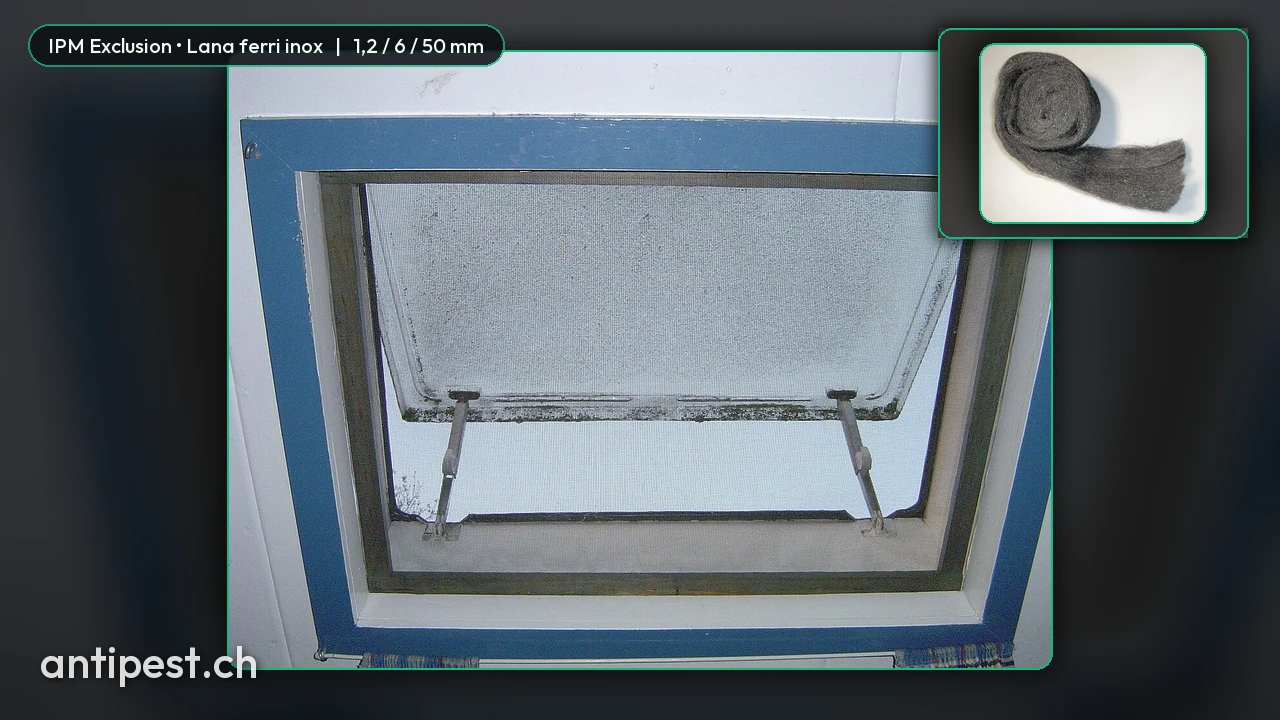
2–4 unitsInsect screens or fine mesh protective grids for openings
4–6Mason jars for controlled application of scent carriers out of reach of pets
Step-by-Step Action Plan
Immediate Containment & Acute Security: First, keep pets away from the carport, facade base, and noticeable pathways to prevent the spread of fresh markings. Remove food sources such as exposed pet food, fallen fruit, or grill remnants in the garden area. Work under the car and around the raised bed only in daylight, and never apply scent agents directly onto pet resting places or hot engine parts.
Cause, Pathway & Nest Location: Check typical marten routes along wall edges, carport beams, downspouts, near compost, and transitions to the attic. Look for droppings, urine trails, displaced insulation, scratching noises, and recurring entry points of about 4–5 cm. Discreetly mark these points with tape or photos so that cleaning, scent barriers, and sealing can be accurately applied at the actual transition points.
Targeted Non-Toxic Control & Application: Apply lavender oil sparingly to scent carriers in mason jars or on cloths in border areas, not broadly on the ground or plants. Use tea tree oil very sparingly and exclusively in pet-free, inaccessible niches, as pets can react sensitively. Cedar wood is suitable for dry areas at the carport or facade, where the scent barrier remains effective for several days.
Hygienic Deep Cleaning & Trail Interruption: First, clean marked areas with warm water and pH-neutral soap to dissolve scent substances, grease films, and dirt. Thoroughly wipe edges, bases, carport posts, stepping boards at the raised bed, and affected surfaces, as residual odors attract re-marking. Only reposition the scent barriers after complete drying to ensure that cleaning and repelling do not weaken each other.
Structural Sealing & Long-Term Prevention: Secure small openings, ventilation, and connections at the facade or carport with insect screens or fine mesh protective grids without blocking necessary ventilation. Sealing tape is suitable for narrow gaps and vibrating connection joints but must be applied to a clean, dry surface. Trim climbing aids or branches with a jump distance to the roof and keep the area around the raised bed, storage zones, and vehicles tidy and low in stimuli.
Swiss Professional Traffic Light (When to Call a Professional?): Green: individual tracks without noises in the attic, easily accessible marking points, and rapidly decreasing activity after cleaning and sealing. Orange: repeated nocturnal activity in the same place, strong noises, suspicion of cables in the car, or multiple entry points at the facade and roof area. Red: young animals in the attic, significant odor burden, bite damage to lines, or if pets have had contact with concentrated oils despite precautions; then promptly involve a Swiss professional.
🛡️ Prevention & Beneficials Matrix
Active Mechanisms & Long-Term Protection
Non-toxic physical barriers and biological beneficials. Click any card to open the scientific dossier.
Hedgehogs, Bats, Earwigs & Ground Beetles in the Garden
A single pipistrelle bat catches up to 3,000 mosquitoes per night, and the seemingly annoying earwig eats hundreds of aphids every night in its wool sleeping bag!
Essential Oils: Lavender, Cedarwood, Neem & Geraniol
How plant terpenes (Linalool, Cedrol, Eugenol, and Azadirachtin) block the odor receptors of moths, ants, and wasps – and why cedarwood needs to be sanded every 3 months.
The best pest is the one that never enters the house: the exact gap dimensions (1.2 mm for insects, 6 mm for mice, 50 mm for martens) and why construction foam alone never protects against rodents.
Thermal Elimination: The +55 °C Heat & -18 °C Cold Threshold
No insect egg survives +55 °C for 60 minutes or -18 °C for 72 hours! How to use the oven, hairdryer, 60-degree wash, and freezer as a 100% residue-free bio chamber.
🔬 Pest Biology & Identification
Species Identification, Lifecycle & Root Causes
Understanding species biology is key to solving the root cause. Click any dossier for the full analysis.
Stone Marten (Martes foina) in Attic & Car
Why does a marten chew ignition cables in the engine compartment? Not for play, but because of the scent marks of a foreign rival! The 5 cm rule for the attic.
Nighttime thumping and whistling in the attic between June and October? Often it's not a marten, but the strictly protected dormouse with its bushy tail!
Urban Pigeons & Building Nesters: Balcony Prevention
As soon as an urban pigeon lays branches on your balcony for 3 days undisturbed, its extreme site fidelity kicks in! Why early visual and mechanical deterrence protects against pigeon mites.
Roller Shutter Box & Attic Prevention in April
If you want to prevent a wasp nest in your roller shutter box in summer, act in April: how to non-violently deter searching young queens using brush seals, clove oil, and a paper nest decoy.